This is where I step outside the brief to identify and develop original, proactive concepts.
The Un-Swappable Number: A Carrier-Bound Identity Factor
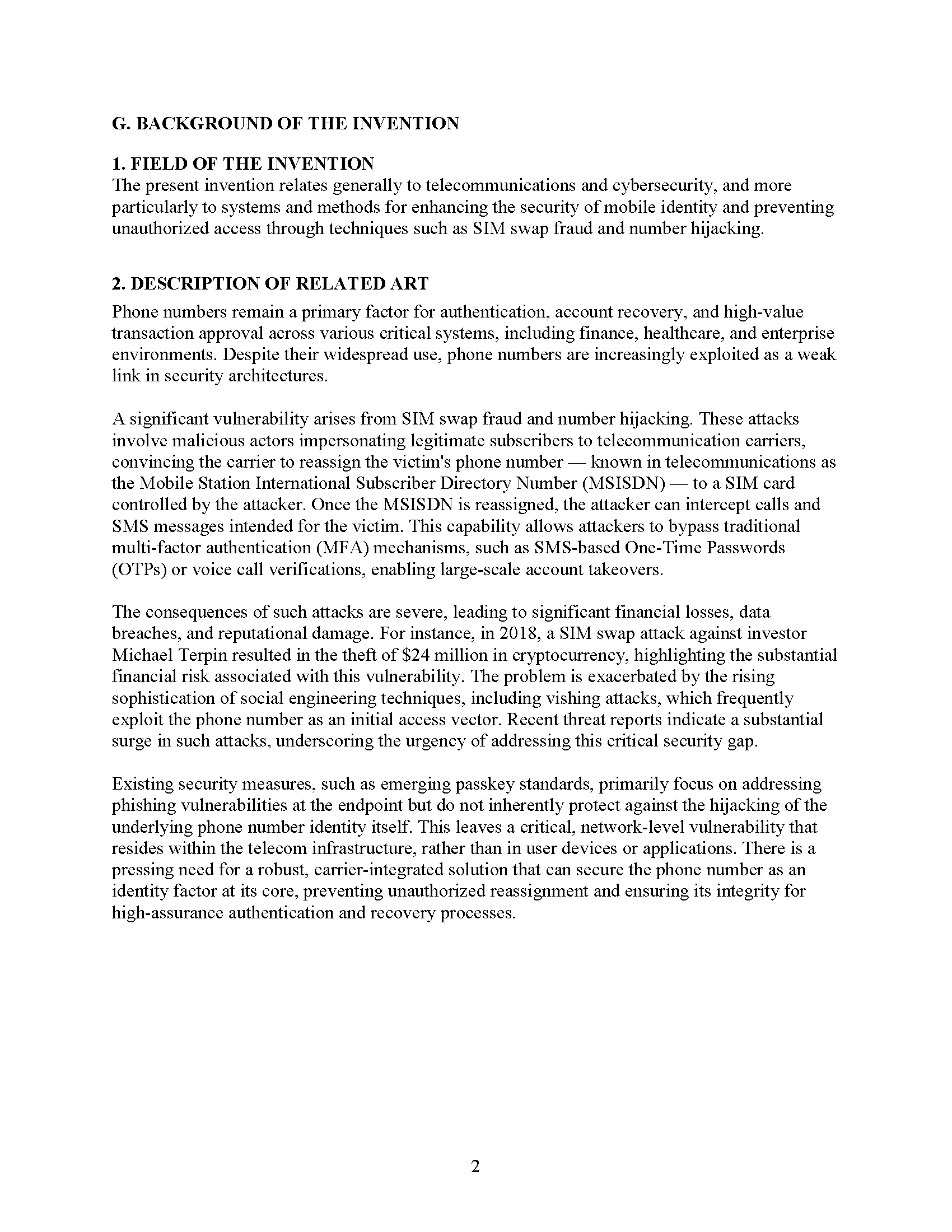
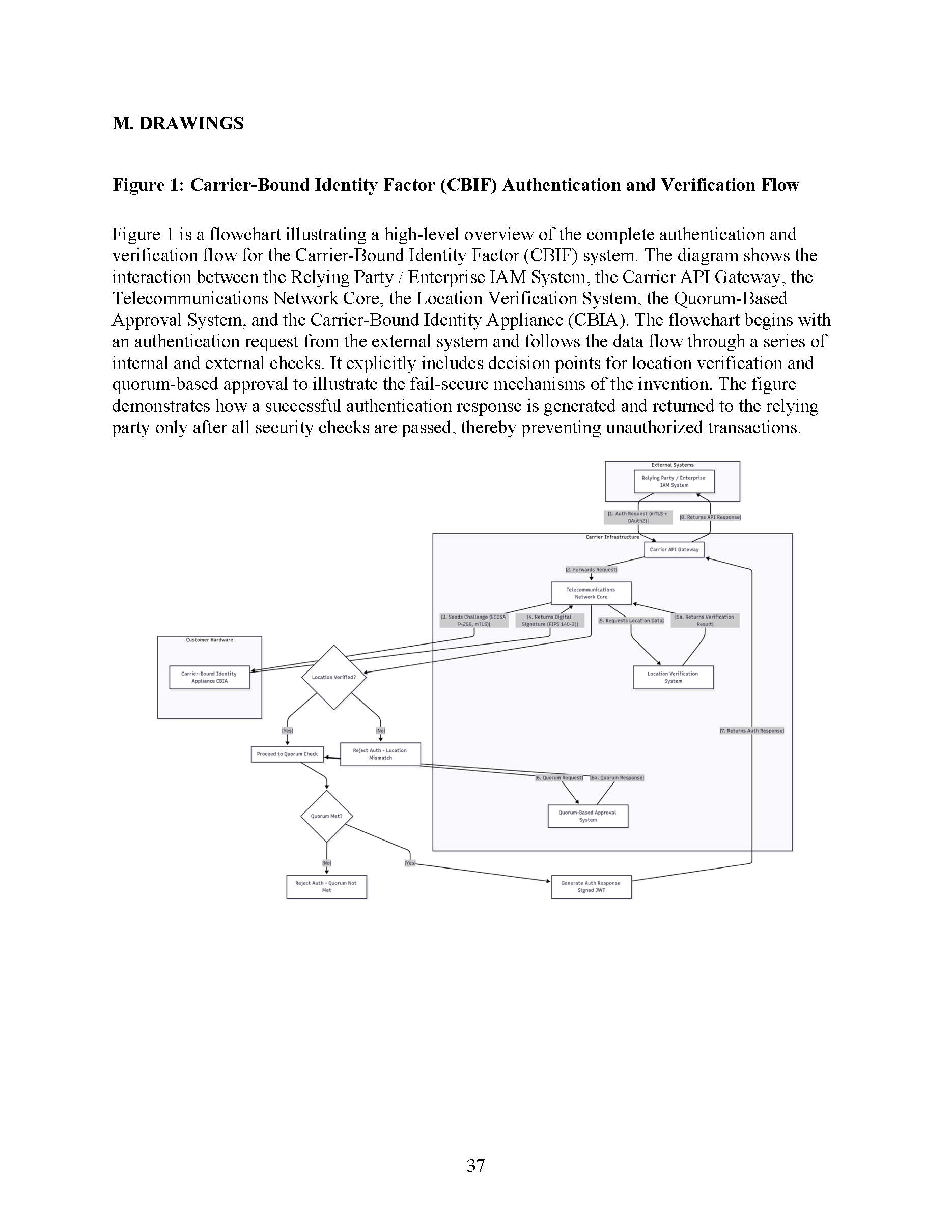
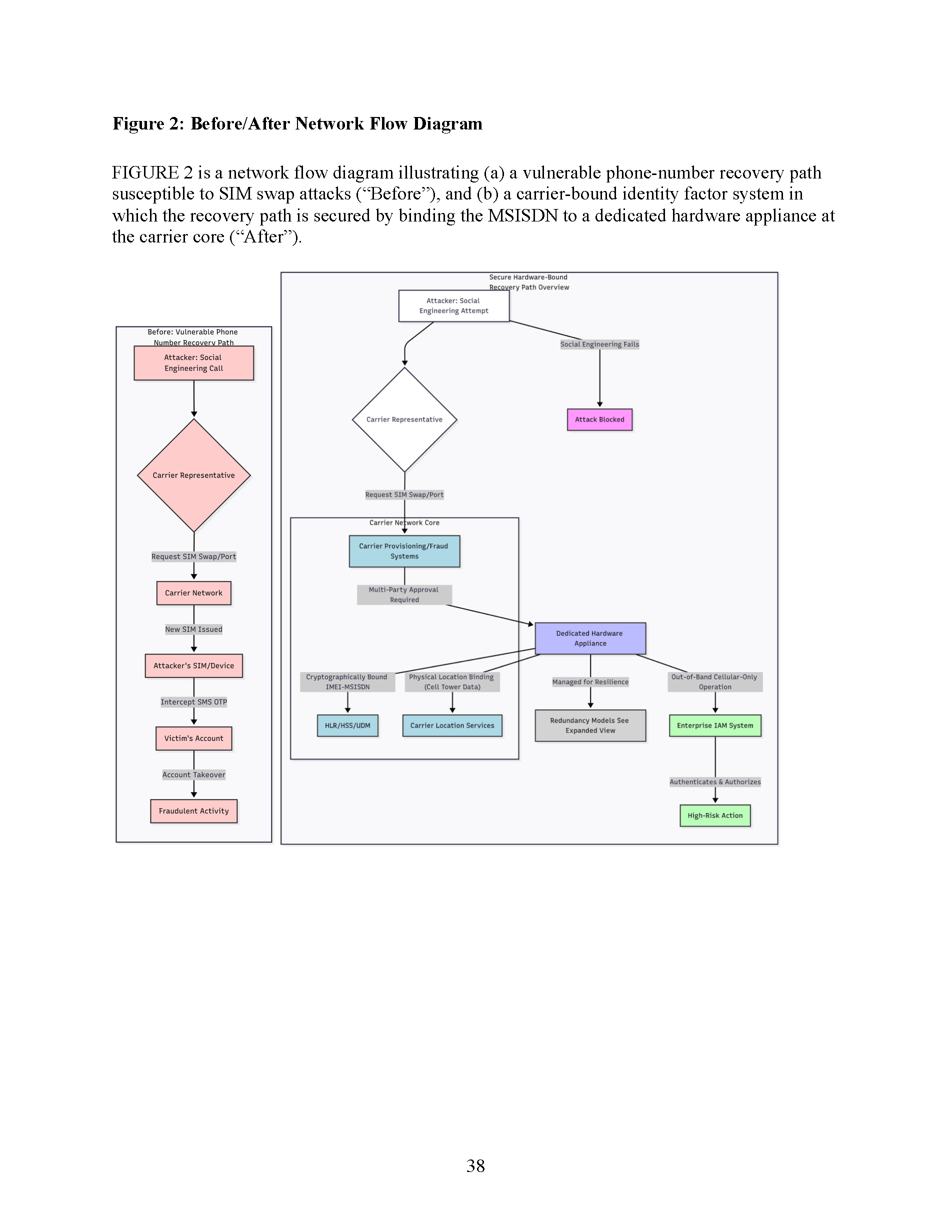
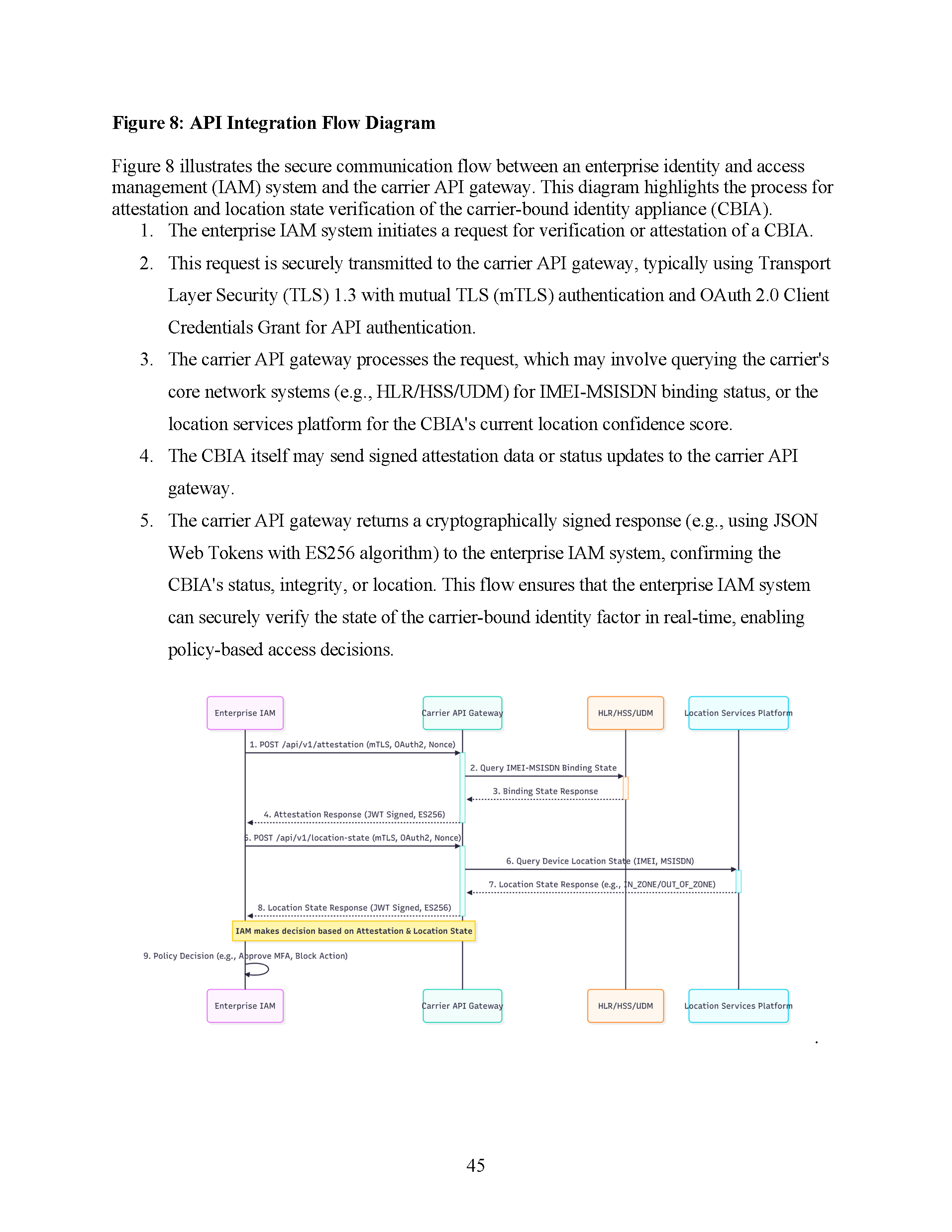
The Problem: While the security industry focused on software-based MFA, I identified a fundamental, unaddressed vulnerability at the network level: SIM swap fraud. This attack vector allows adversaries to bypass even the most secure protections, leading to catastrophic financial and data breaches that existing solutions were powerless to prevent.
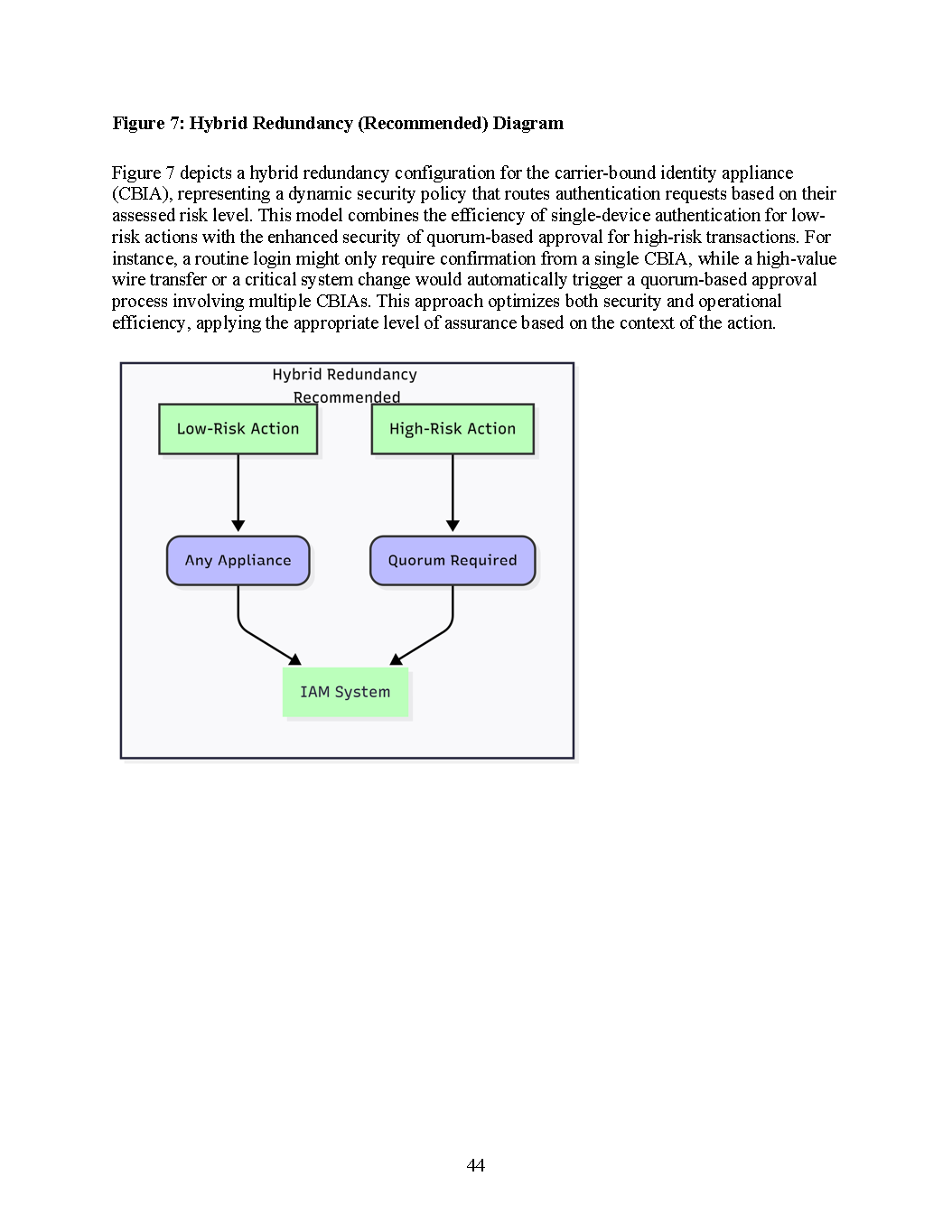
The Concept: My concept was to architect a new category of authenticator by binding a user's identity to a physical hardware device at the carrier's core. The key innovation was achieving this by orchestrating existing, standards-based carrier technologies—not by inventing new ones. This creates a "carrier-bound identity factor" that isolates the authentication process from the social engineering and endpoint compromise that plague software-based solutions, effectively rendering a phone number "un-swappable" by malicious actors.
The Outcome: A provisional patent application (U.S. App. No. 63/592,683) filed with the USPTO, supported by a comprehensive technical specification serving as a production-ready blueprint for an enterprise-grade security appliance.
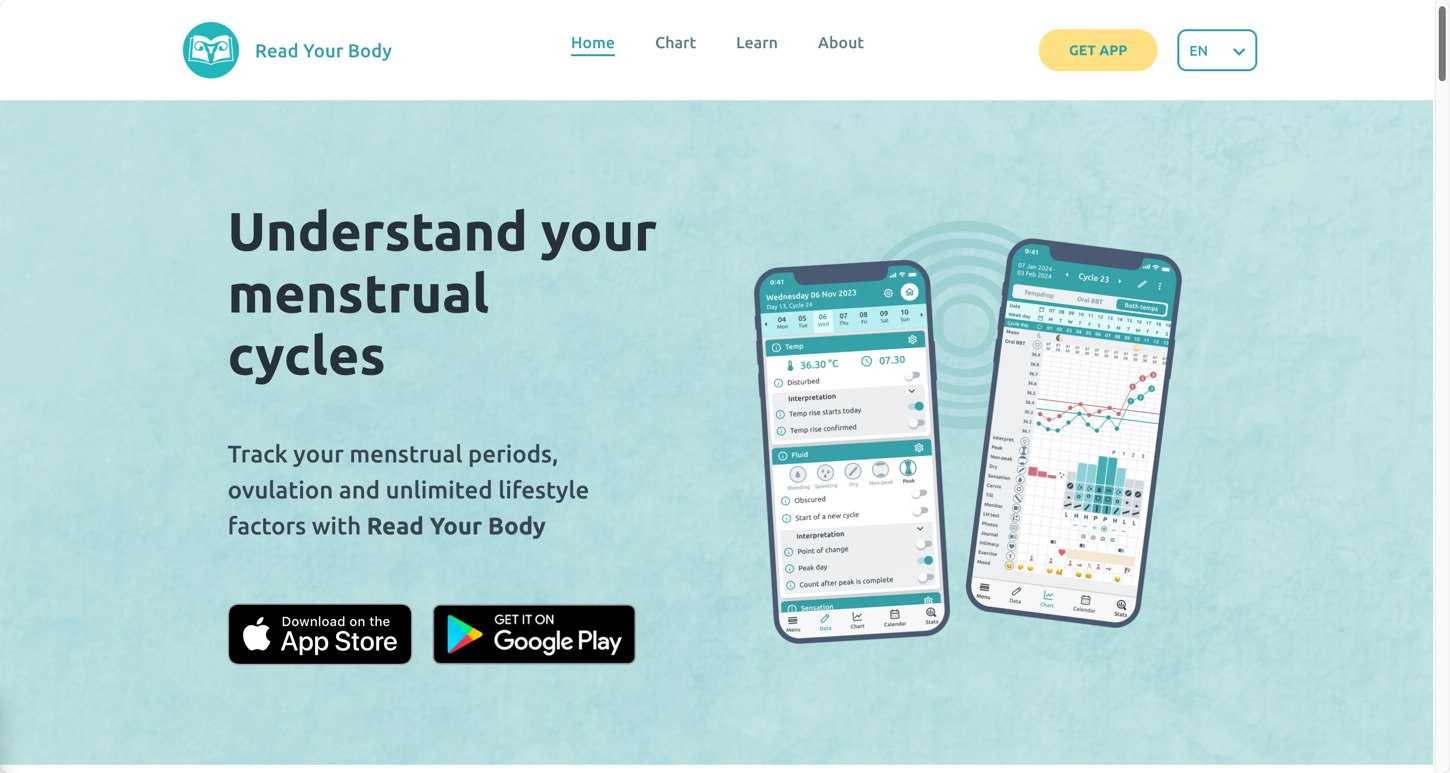
The Autonomy Engine: A Privacy-First Femme-Tech Concept
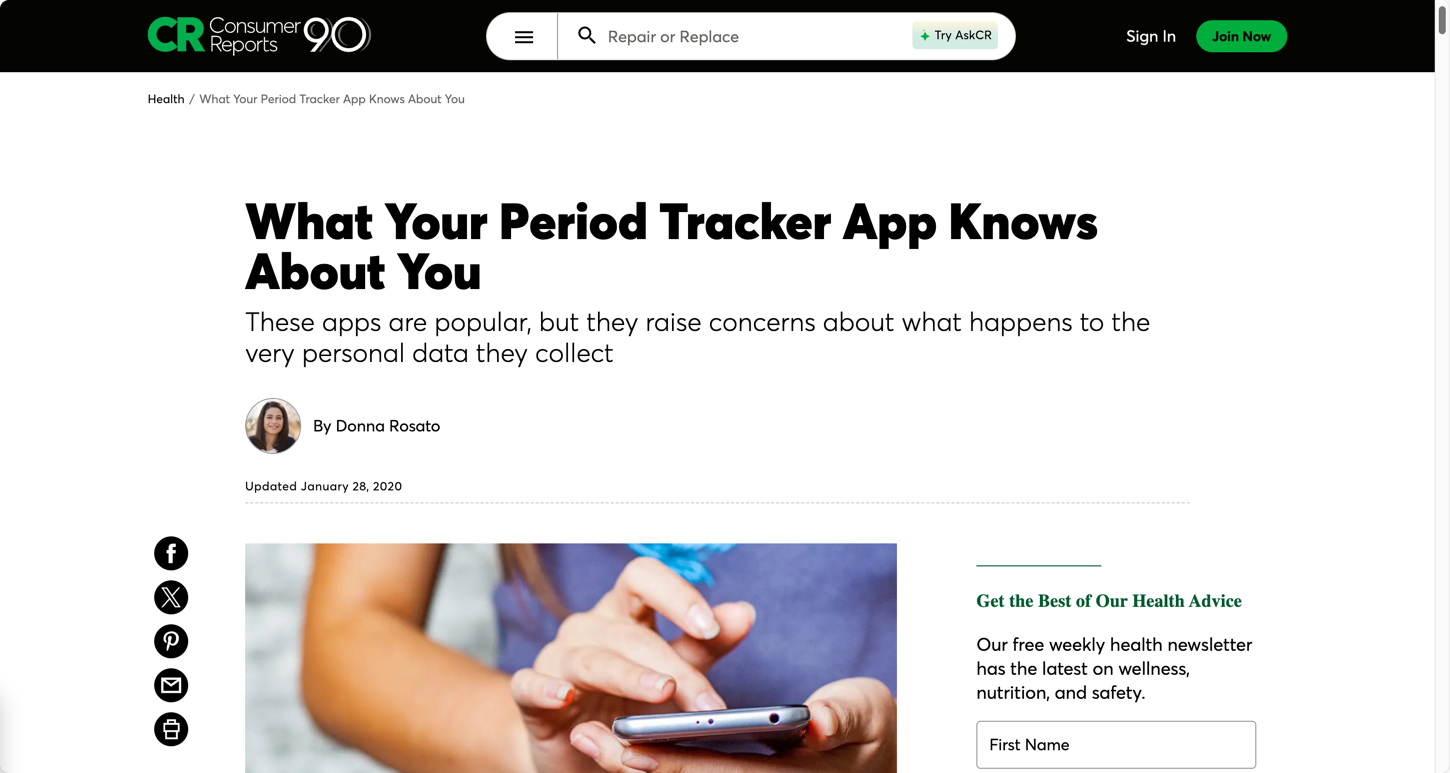
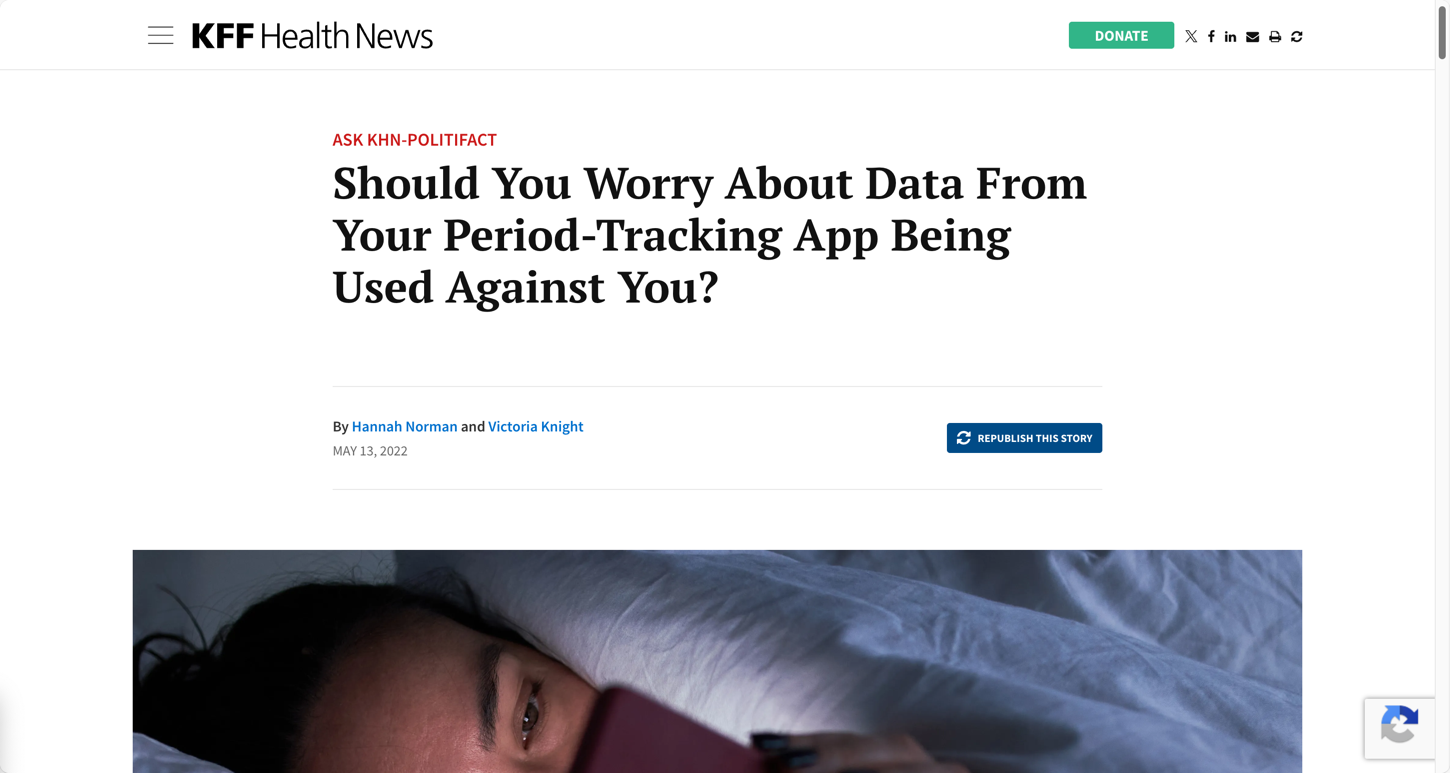
The Problem: The 2022 look at the Supreme Court's Dobbs decision created an immediate, high-stakes crisis in femtech. Data from popular period-tracking apps—unprotected by HIPAA—was poised to become a legal weapon, putting millions of individuals at risk of prosecution simply for monitoring their own bodies.
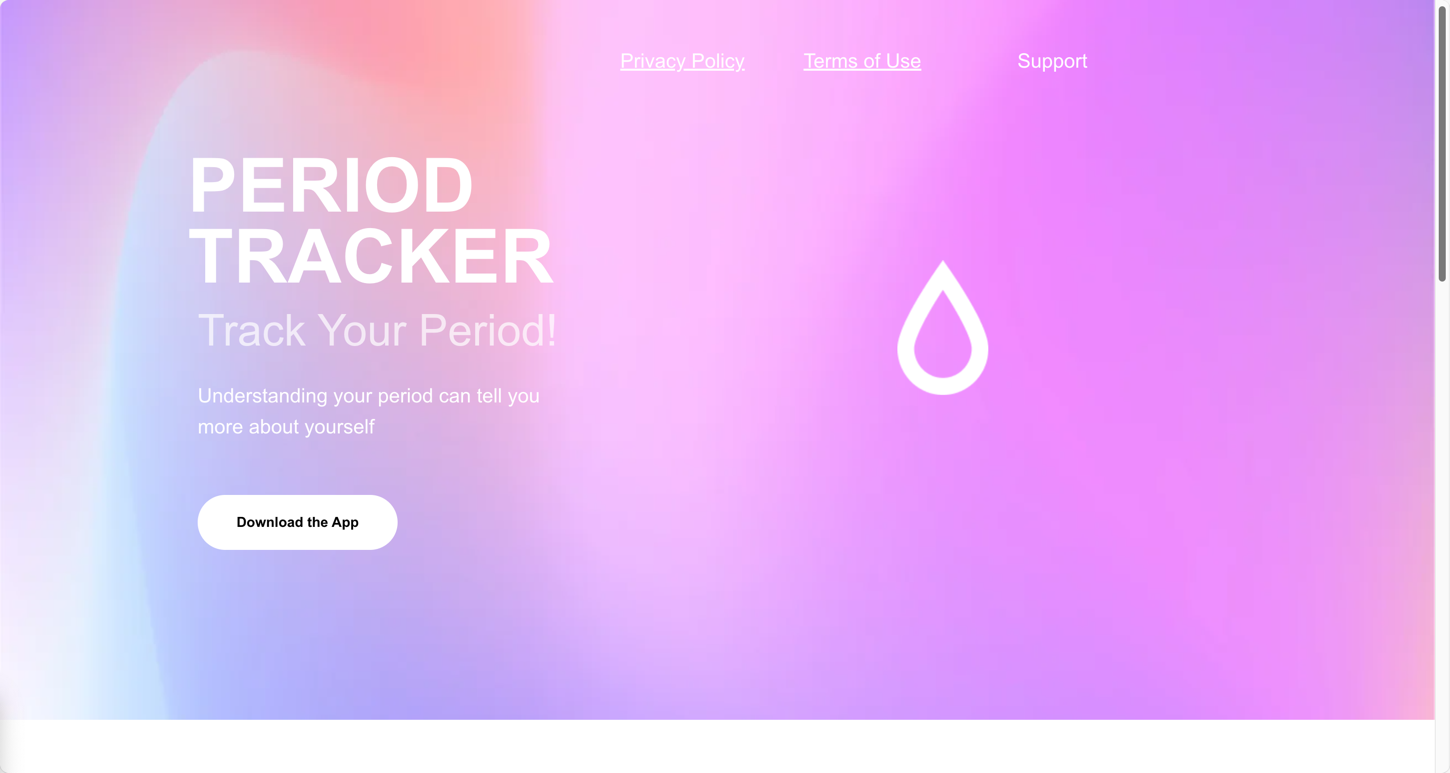
The Concept: I proactively developed and pitched a concept built on a simple, powerful principle: a user's data could never be shared because it would never be collected. By keeping all information exclusively on the user's device, the app would provide a tool for empowerment and health management without creating a new vector for surveillance.
The Outcome: The concept was pitched not just as a public good, but as a strategic opportunity for the agency—a chance to leverage our technical and creative capabilities to solve a pressing human problem, create award-worthy work, and bring a timely, invaluable idea to our clients.
The Concept: I proactively developed and pitched a concept built on a simple, powerful principle: a user's data could never be shared because it would never be collected. By keeping all information exclusively on the user's device, the app would provide a tool for empowerment and health management without creating a new vector for surveillance.
The Outcome: The concept was pitched not just as a public good, but as a strategic opportunity for the agency—a chance to leverage our technical and creative capabilities to solve a pressing human problem, create award-worthy work, and bring a timely, invaluable idea to our clients.
Personalized Benefits Communication
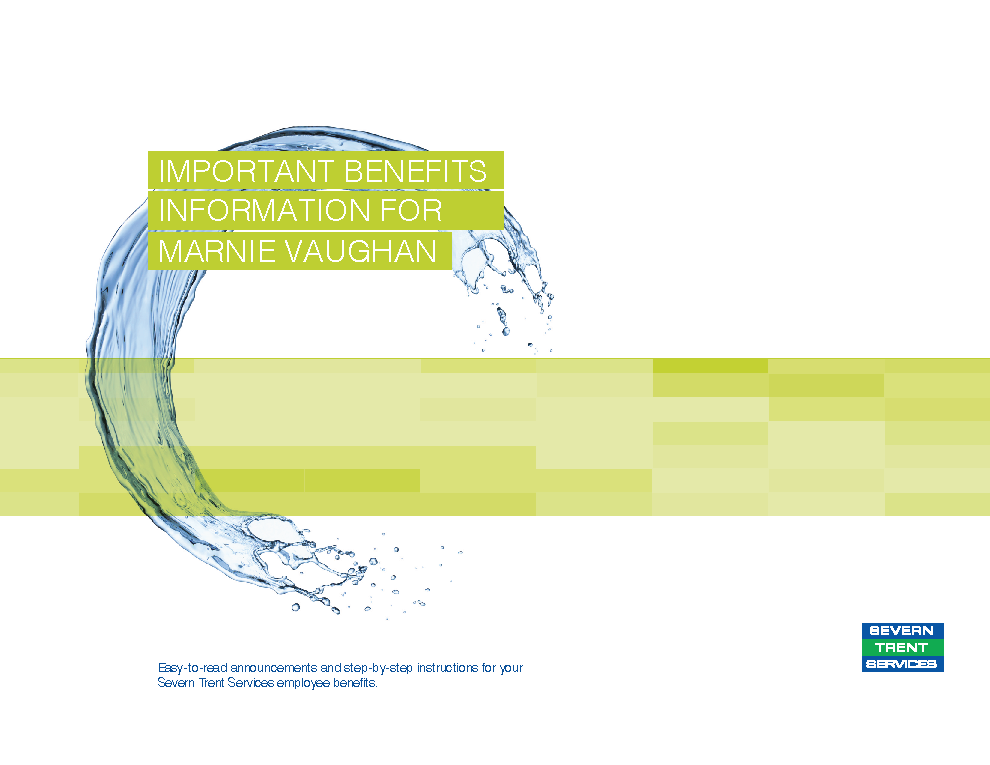
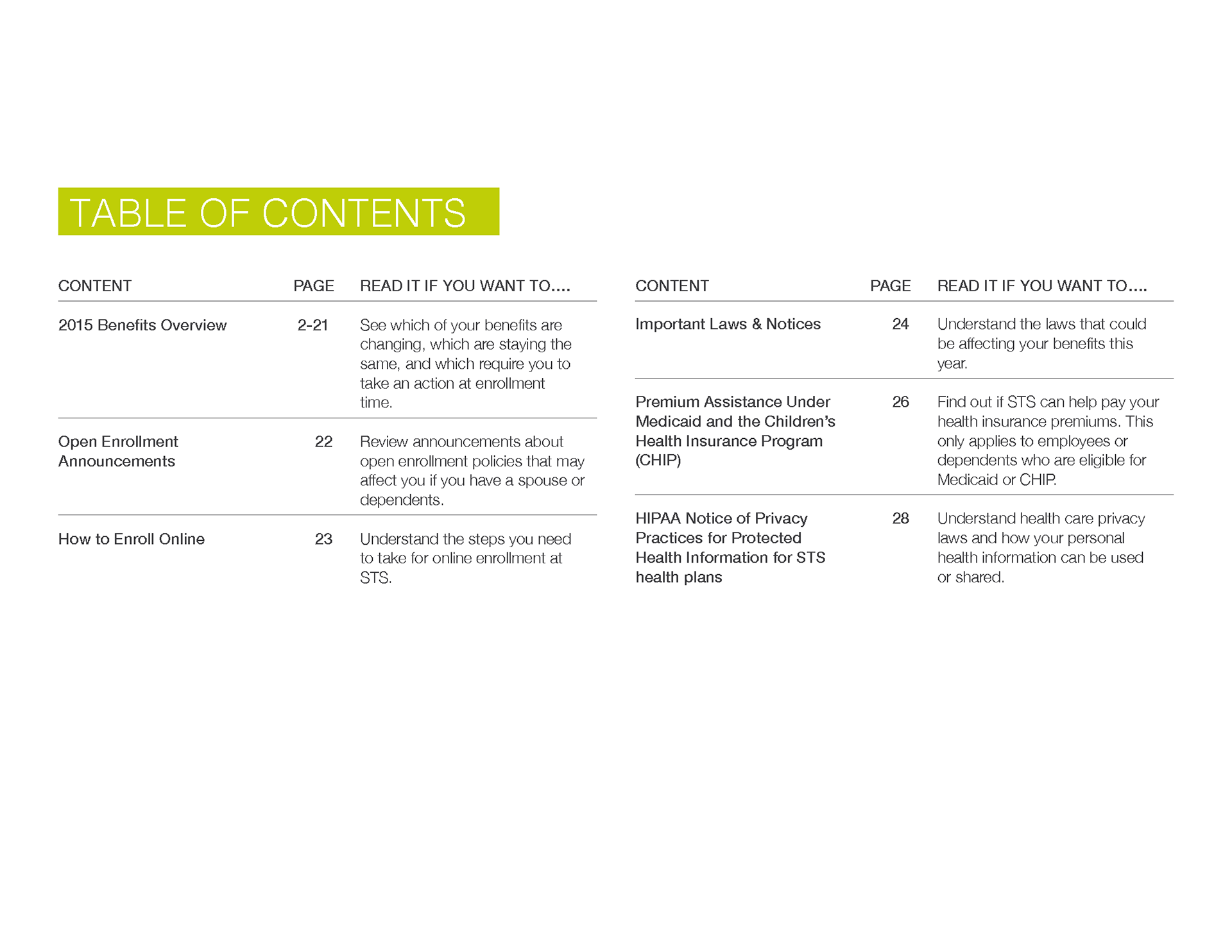
The Problem: One of Jellyvision’s favorite clients asked a favor: help us make our printed benefits communication sound like your interactive decision support tool. The client's old benefits mailer was a folder with inserts from different benefits vendors. The package was confusing, and that made it difficult for a blue-collar workforce to make sense of complex benefits choices.
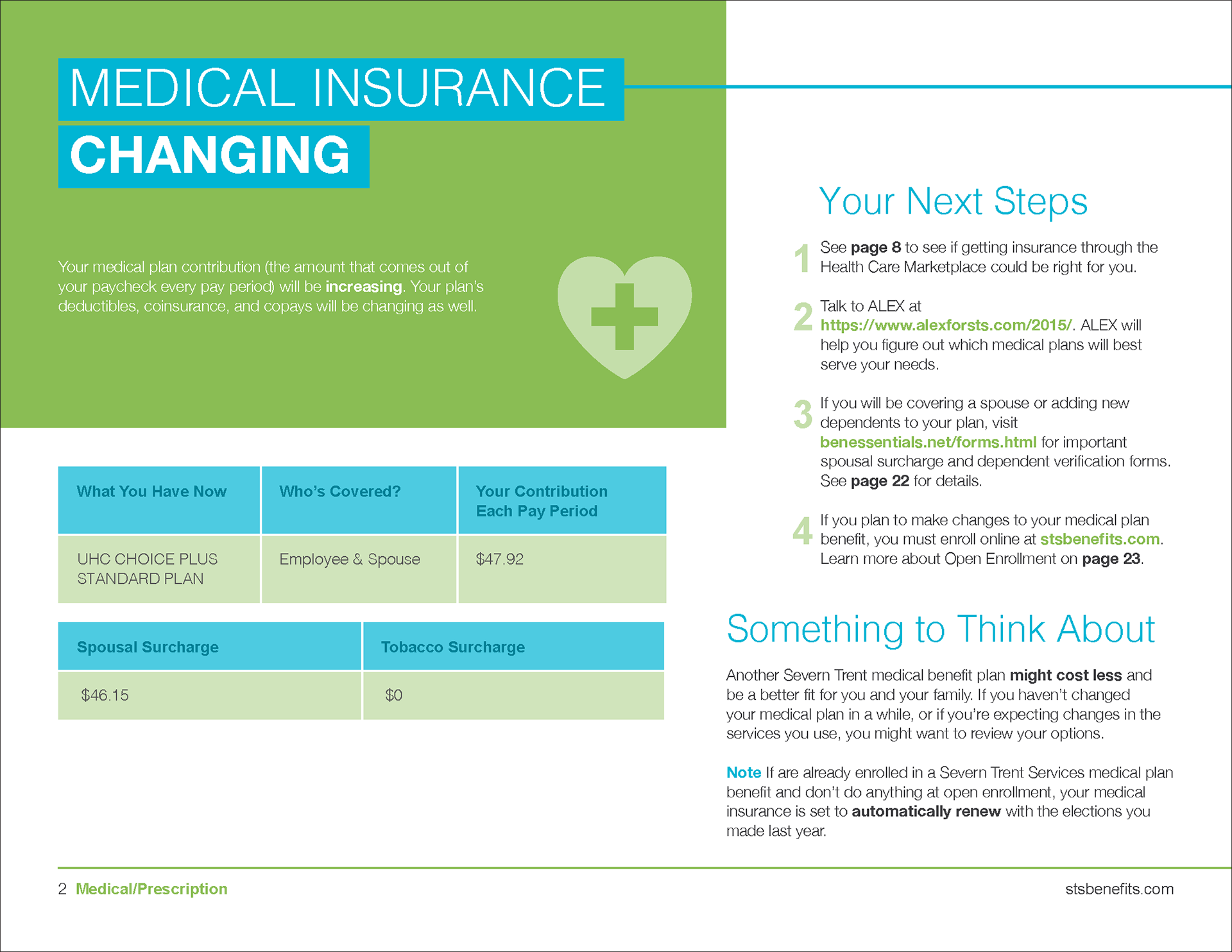
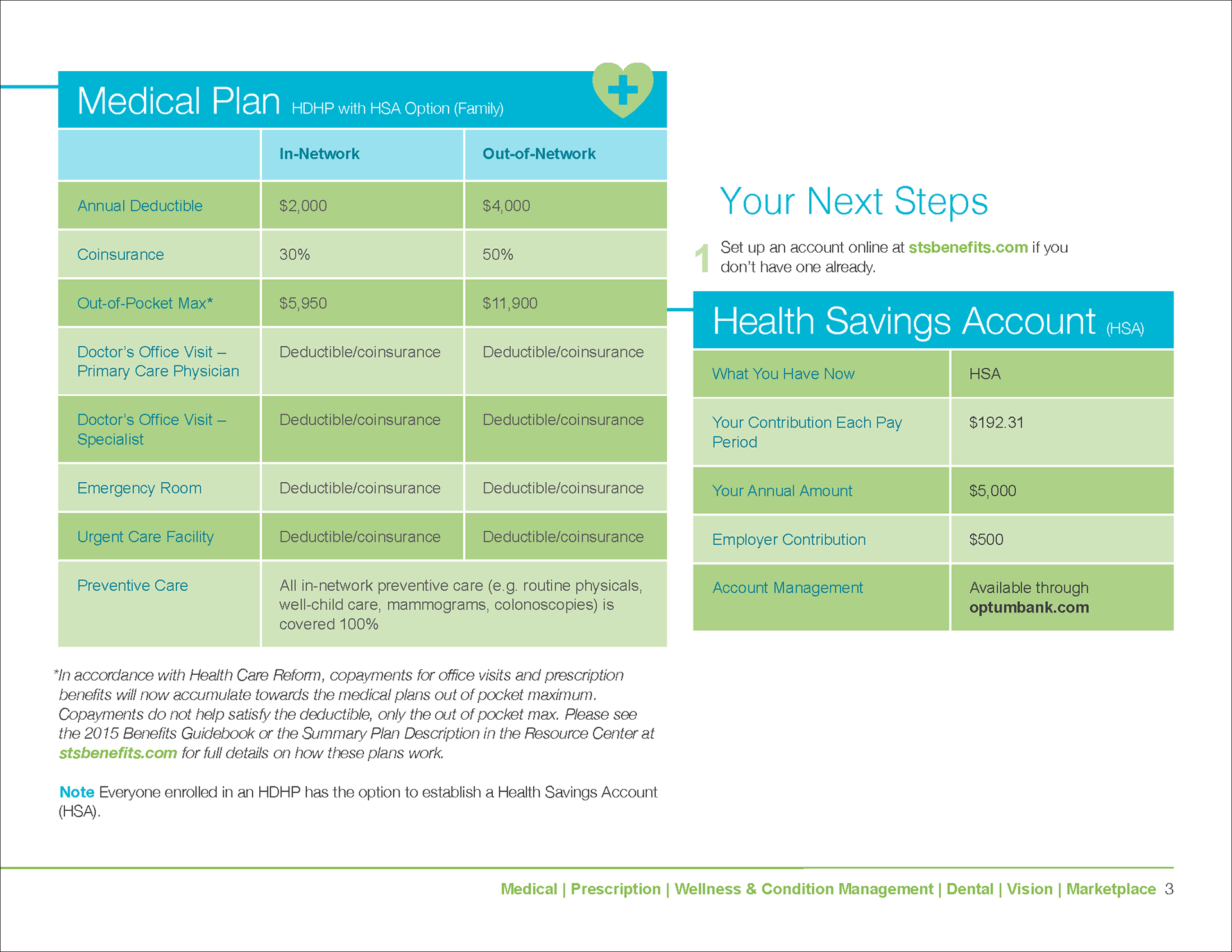
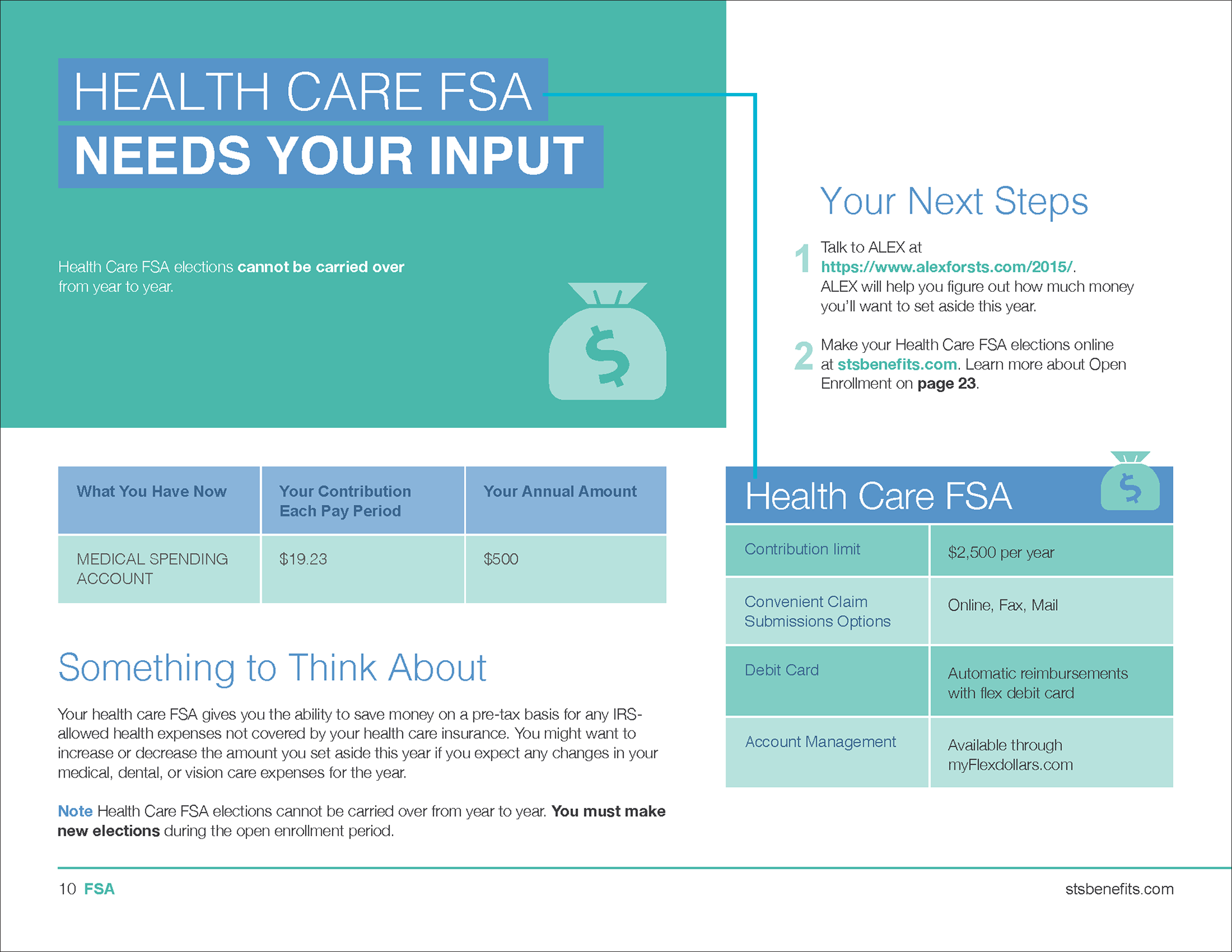
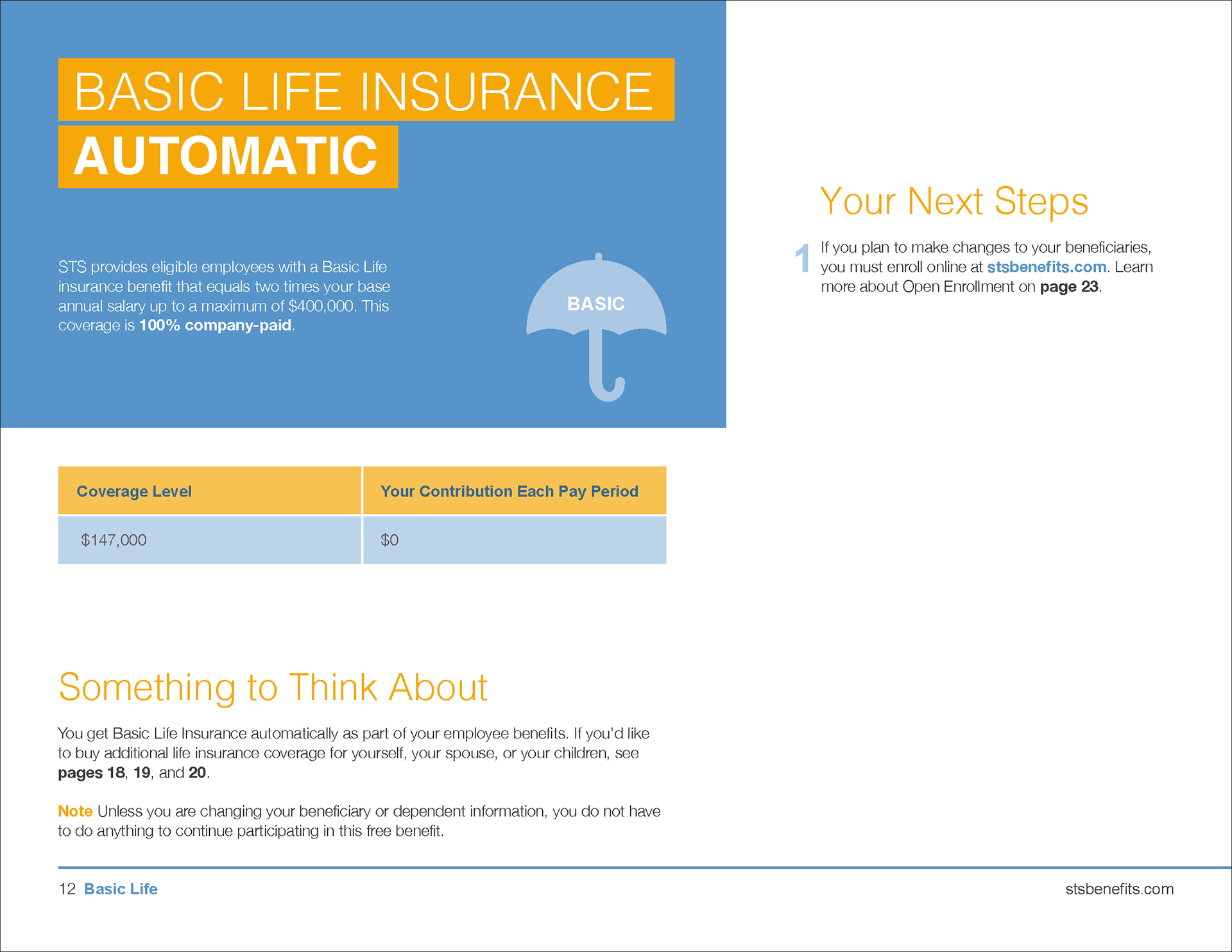
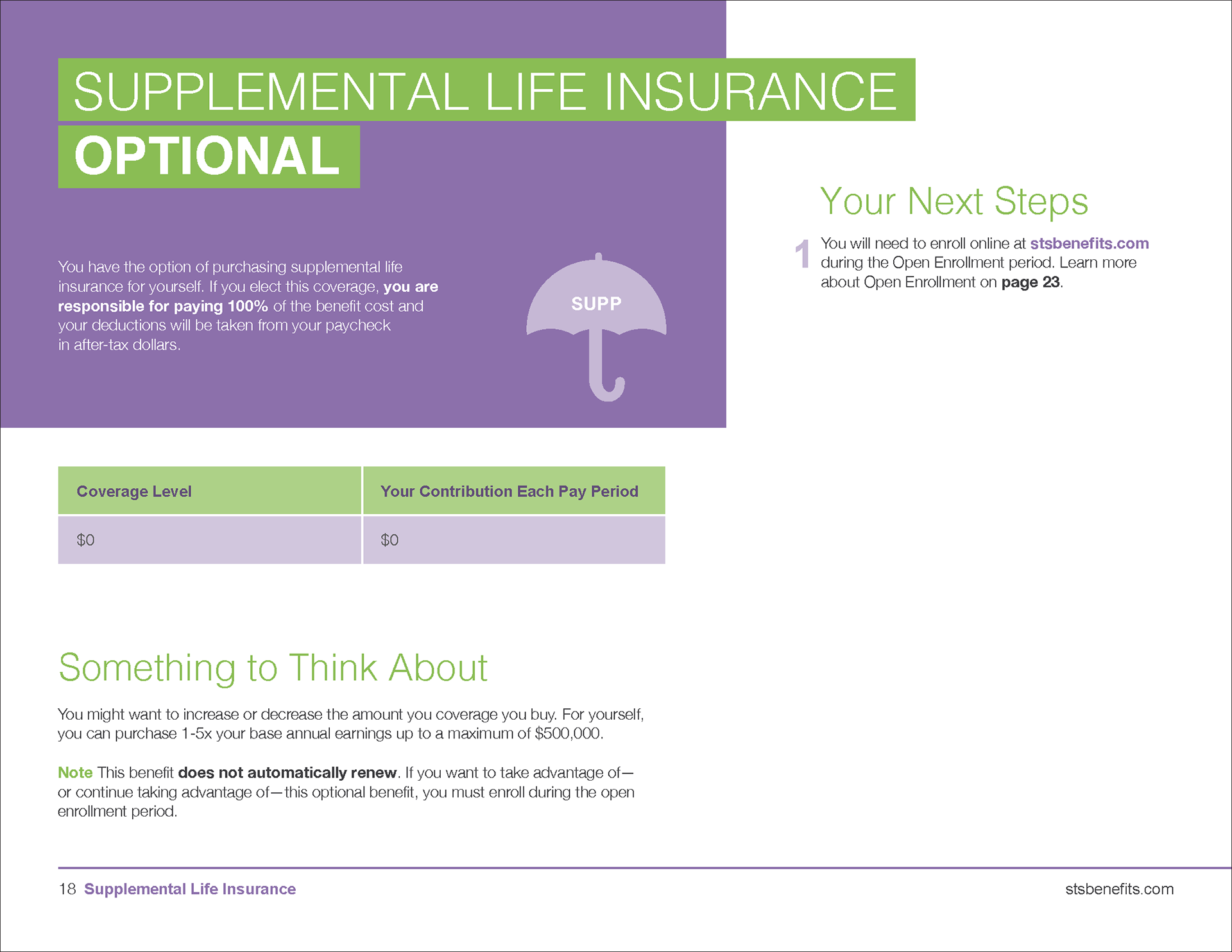
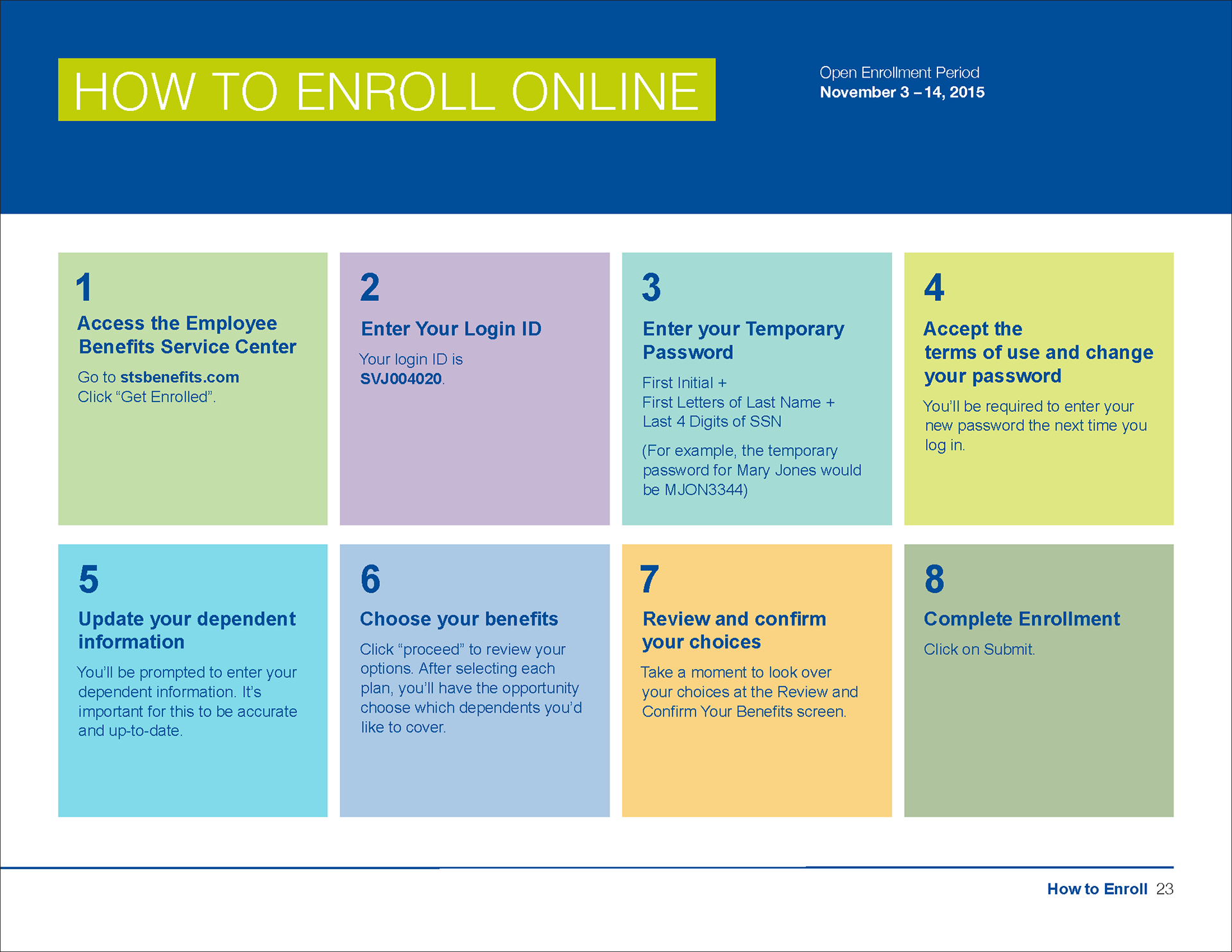
The Concept: I conceived and designed a new system using Variable Data Printing (a leading-edge application of the tech in 2013) to create a 1:1 mailer. This meant each employee’s guide reflected their specific name, plan, and costs, making the information instantly relevant and actionable.
The Outcome: Jellyvision strengthened a relationship with a client (her name is on the cover of the guide) that had become a strategic partner and advocate. Fun fact: Marnie saved my bacon when I was a freelancer in France during COVID. I made her new company a video benefits guide.